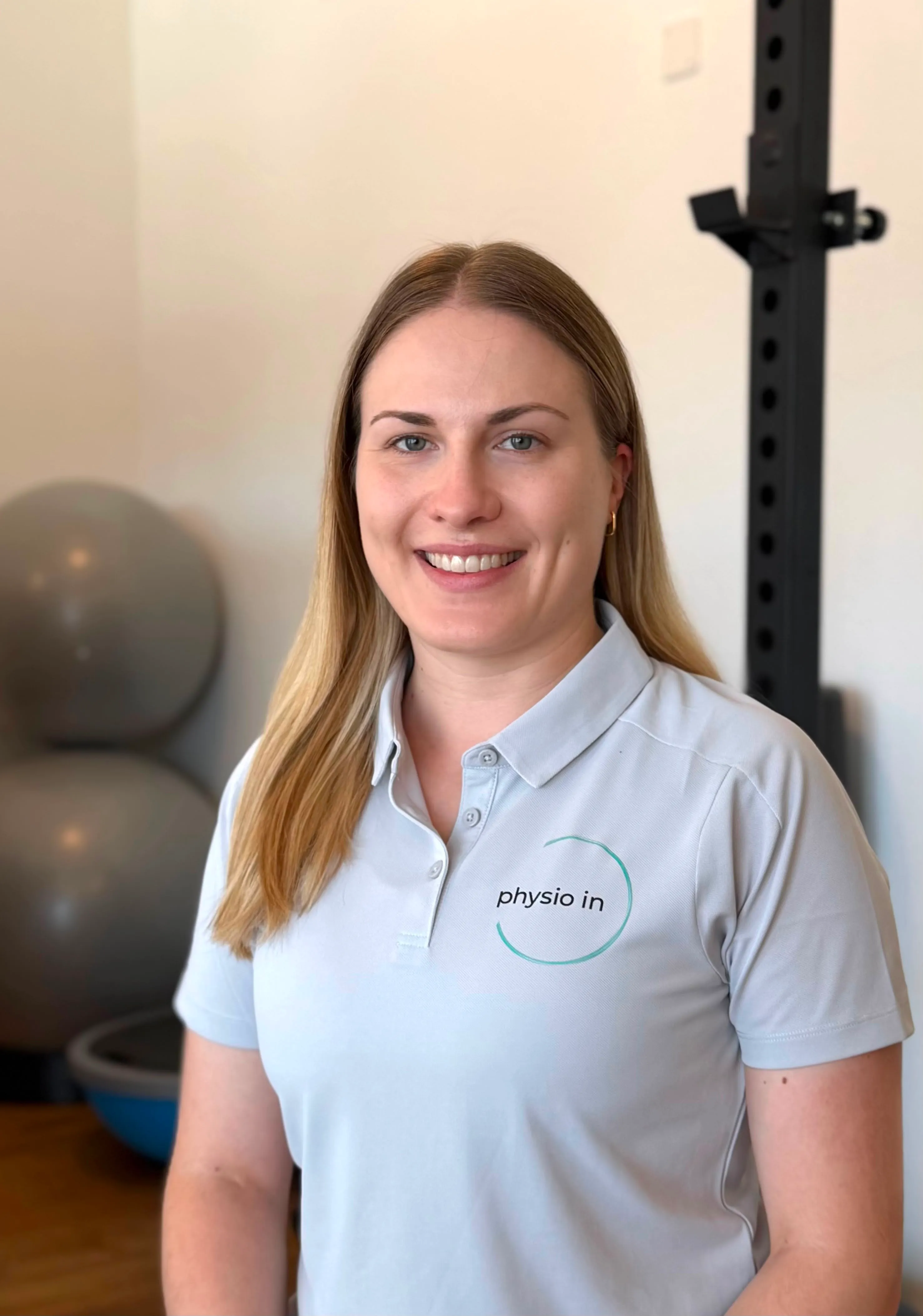
Flurina Aeschlimann
Additional training: Manual therapy according to Maitland (2021–2022)
Treatment in: German and English
Manual therapy is a proven method for the targeted mobilisation of joints, muscles and nerve structures. At our practice in Boll, we use manual techniques to release restricted movement, relieve pain and restore the function of the musculoskeletal system. As part of manual medicine, this method is based on a sound understanding of anatomy and biomechanics – for lasting results.
In brief
Depending on your symptoms, 3–6 sessions of manual therapy are a good starting point.
Full answer: How many sessions of manual therapy are needed?Manual therapy can exert pressure at specific points and cause mild pain, but it should never be very painful.
Full answer: Is manual therapy painful?Yes – when prescribed by a doctor, manual therapy is part of regular physiotherapy and is paid for by your health insurer.
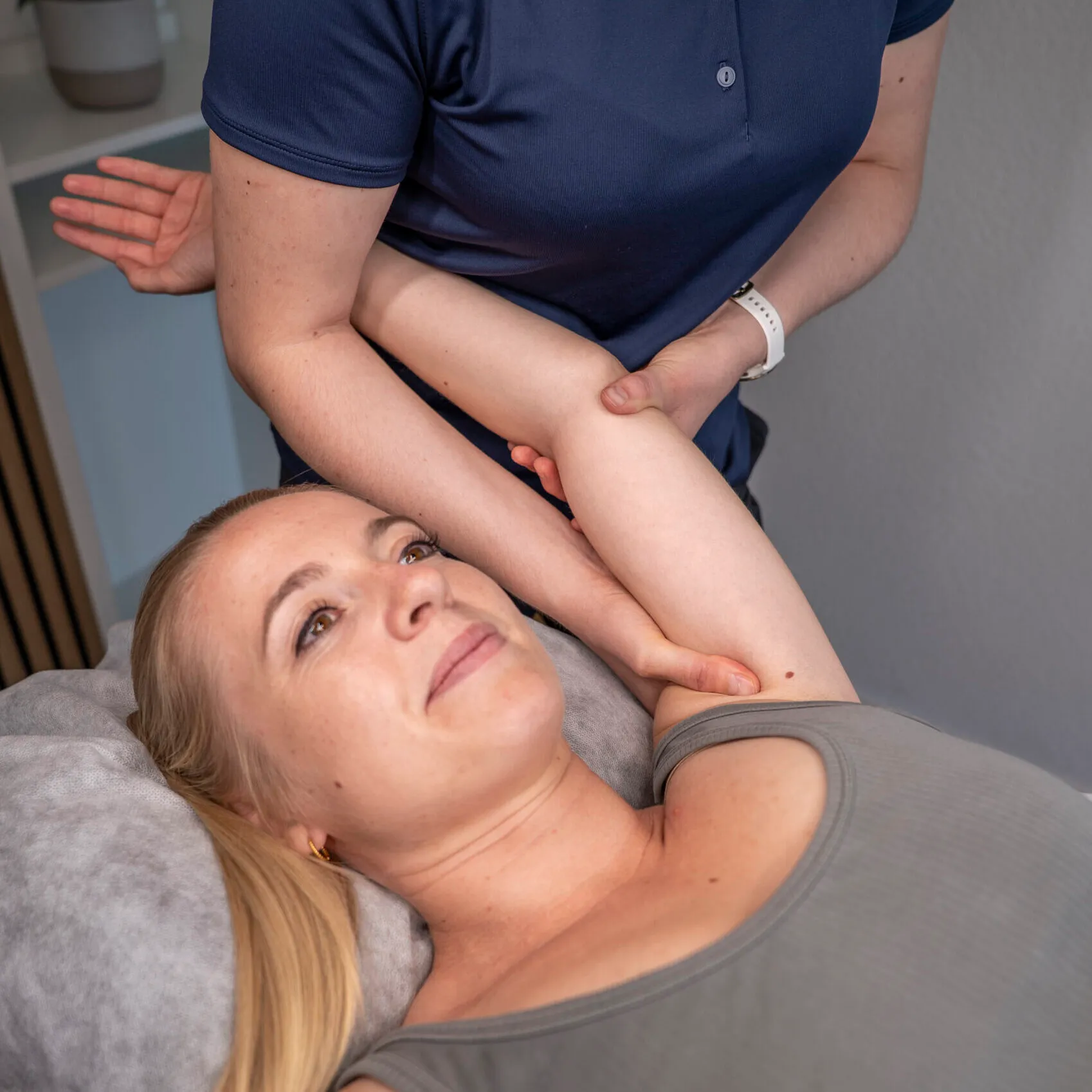
Full answer: Is manual therapy covered by health insurers?Manual therapy (in German also called “Manualtherapie”) is a specialised physiotherapy treatment technique. Using targeted hand movements, we mobilise blocked or restricted joints, stretch shortened structures and stimulate neuromuscular interaction. It requires no medication or equipment – just trained hands.
The techniques range from gentle stretching to targeted joint mobilisation and are tailored individually to your complaints.
This form of therapy is particularly suitable for:
Targeted mobilisation can achieve the following effects:
Patients often report a feeling of “release” and immediate relief after the treatment.
Yes – in trained hands, it is very safe. At our practice, we take time for a thorough case history and choose techniques that suit you individually. When adapted accordingly, manual therapy is suitable for all age groups – from adolescents to older people.
Additional training: Manual therapy according to Maitland (2021–2022)
Treatment in: German and English
Treatment of musculoskeletal complaints.
Prevention and rehabilitation for sports injuries.
Therapy for jaw joint complaints.
Manual therapy is a specialised physiotherapy method for treating dysfunctions of the joints, muscles and nerves. It is part of manual medicine and is used specifically for pain and restricted movement.
“Manuelle Therapie” and “Manualtherapie” are two German names for the same method, manual therapy – “Manualtherapie” is the short form and is often used synonymously, especially in medical jargon.
Yes – when prescribed by a doctor, manual therapy is part of regular physiotherapy and is paid for by your health insurer.
Depending on your symptoms, 3–6 sessions of manual therapy are a good starting point. At our practice in Boll, we adapt the frequency individually to your needs.
Yes – targeted manual medicine can reduce osteoarthritis pain and improve joint function.
Manual therapy can exert pressure at specific points and cause mild pain, but it should never be very painful. We make sure the treatment is pleasant and tailored to you.
From childhood into adolescence, it is important to take into account the growth plates, which have not yet fully ossified. For this reason, manual therapy in this sense is not used on children at our practice. In this age group, mobility can also be improved well with active exercises or gentle soft tissue techniques.
For back pain, manual therapy can release blockages, improve local blood circulation, increase joint mobility and relax tense muscles. Particularly for chronic complaints, it is an effective method for lasting pain relief.
Whether it’s an initial consultation, treatment or advice, contact us in writing or by phone. We will get back to you promptly with suggested appointment times.
May we use Google Analytics (via Google Tag Manager) to measure how our website is used? In doing so, data may be transferred to Google in the USA. More in our privacy policy.