Flurina Aeschlimann
Additional training: Dry needling therapist DVS® (2025-2026)
Treatment in: German and English
Dry needling is an effective method for treating myofascial trigger points – localised hardened areas of muscle that can radiate pain. At our practice in Boll, we use dry needling in a targeted way to release muscle tension, relieve pain and improve mobility. The method is part of various therapeutic approaches, such as trigger point therapy or TMJ treatment.
In brief
That depends on your symptoms. As a rule, 3–5 sessions are enough, with breaks in between if necessary.
Full answer: How often should dry needling be used?Needling can cause a brief, dull pulling pain or a twitch. Many people find this liberating – most report immediate relaxation.
Full answer: Is dry needling painful?Serious side effects are rare. In some cases, you may experience a feeling similar to sore muscles or small bruises.
Full answer: Are there any risks with dry needling therapy?With a prescription, your health insurer covers the physiotherapy session; the dry needling material is invoiced to you privately.
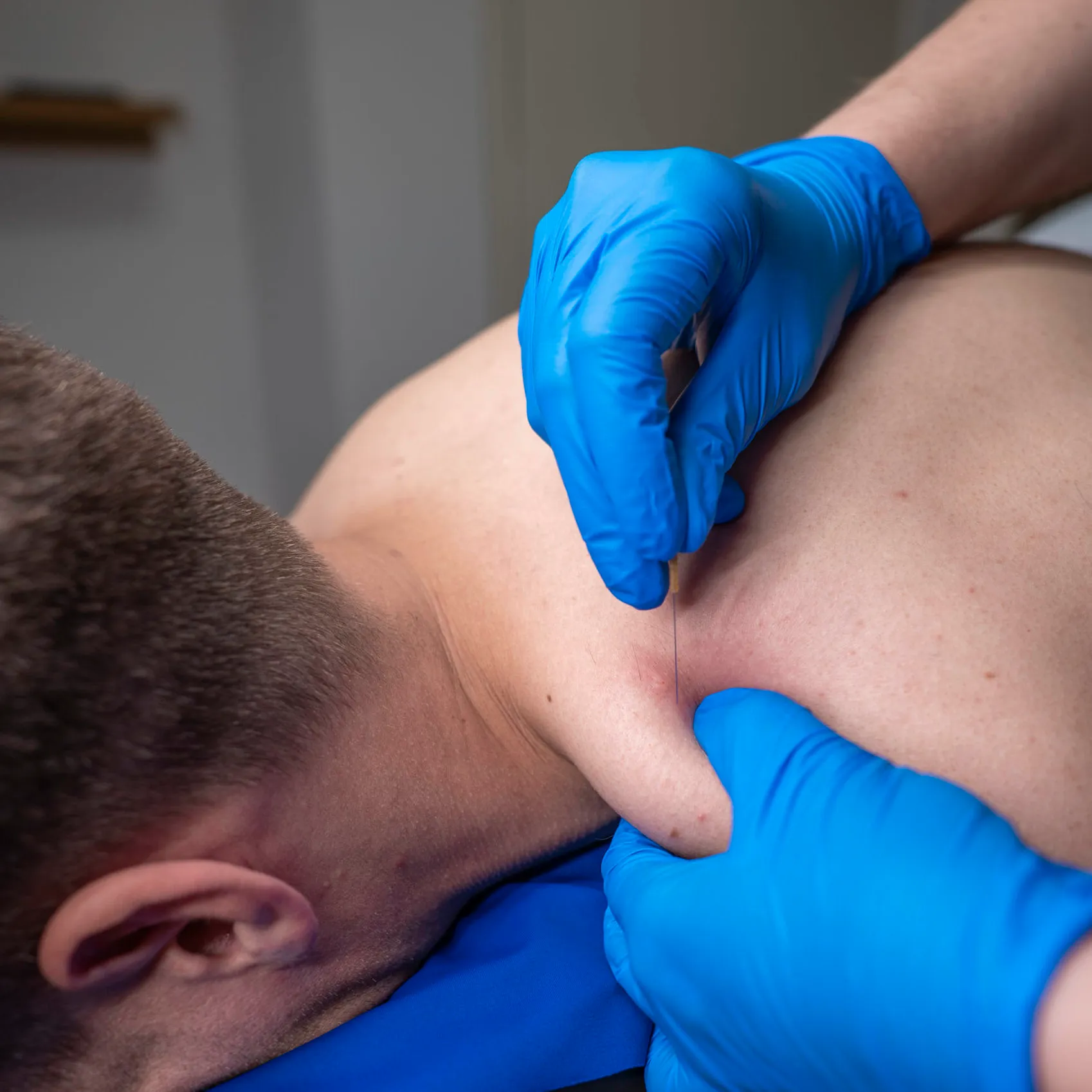
Full answer: Is dry needling paid for by health insurers?Dry needling (also known as “intramuscular needling”) is a minimally invasive technique of trigger point treatment. A very fine disposable needle is inserted precisely into an active or latent trigger point in the muscle tissue. Unlike a conventional injection, no substance is used – hence the name “dry”.
The tissue may react with what is known as a local twitch response – a brief twitch of the muscle, which is often accompanied by immediate relaxation.
Dry needling is used mainly for the following complaints:
Targeted stimulation of a trigger point with the needle can trigger several therapeutic effects:
Many patients report a noticeable improvement after just a few sessions – initial reports of experiences with dry needling show success with a wide variety of pain patterns.
In TDN, the needle is inserted directly into the tense area of muscle. The aim is to trigger a twitch response, which leads to rapid relaxation. This method is particularly suitable for stubborn or deep-seated trigger points.
In SDN, the needle remains superficial. Stimulating the nerves in the skin triggers pain modulation via the nervous system – a gentle approach that is often well tolerated.
Dry needling is a safe method when performed by trained professionals. At our practice, we apply the highest standards of hygiene. We discuss contraindications – such as pregnancy, blood clotting disorders or acute infections – with you individually at the initial consultation.
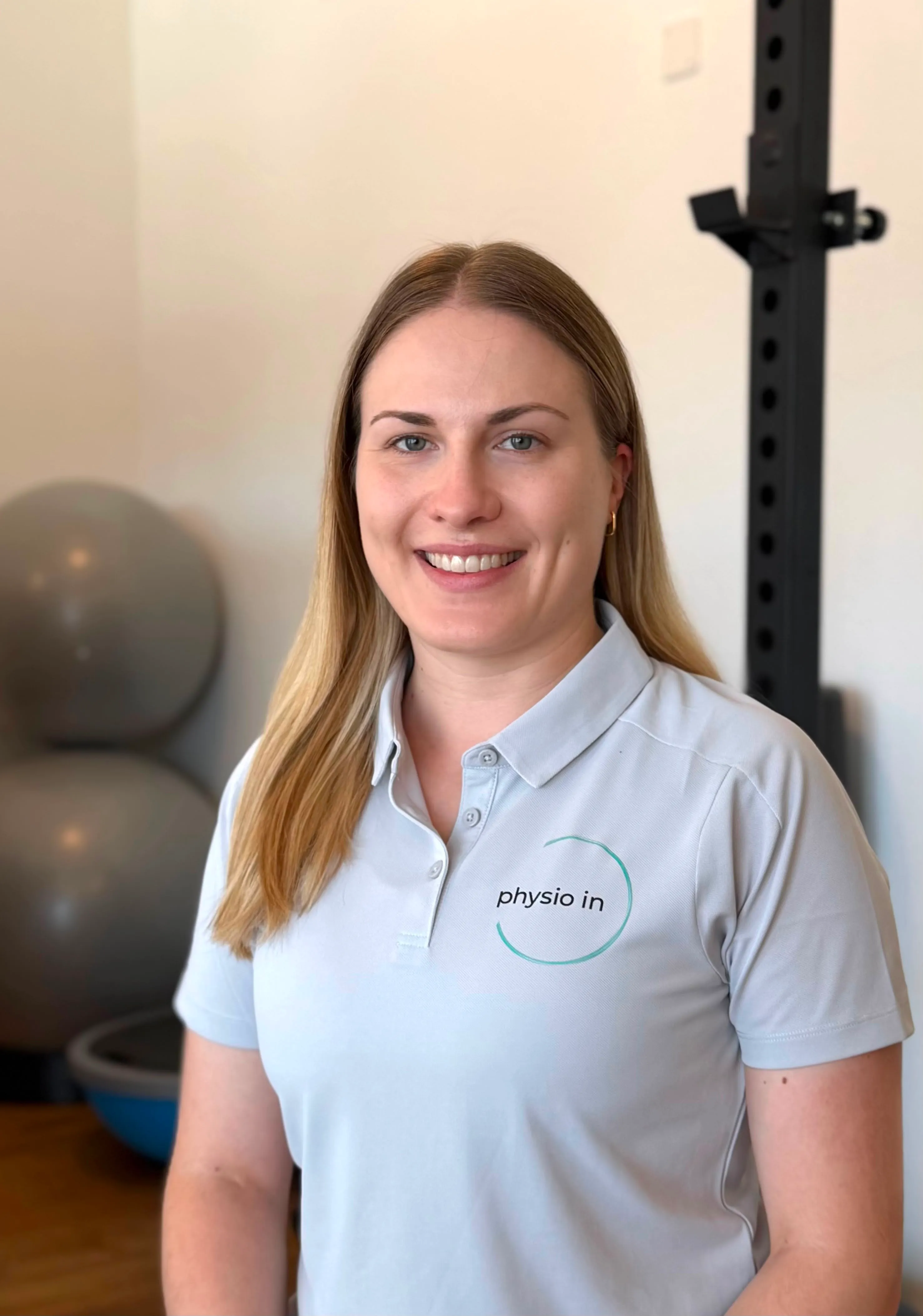
Additional training: Dry needling therapist DVS® (2025-2026)
Treatment in: German and English
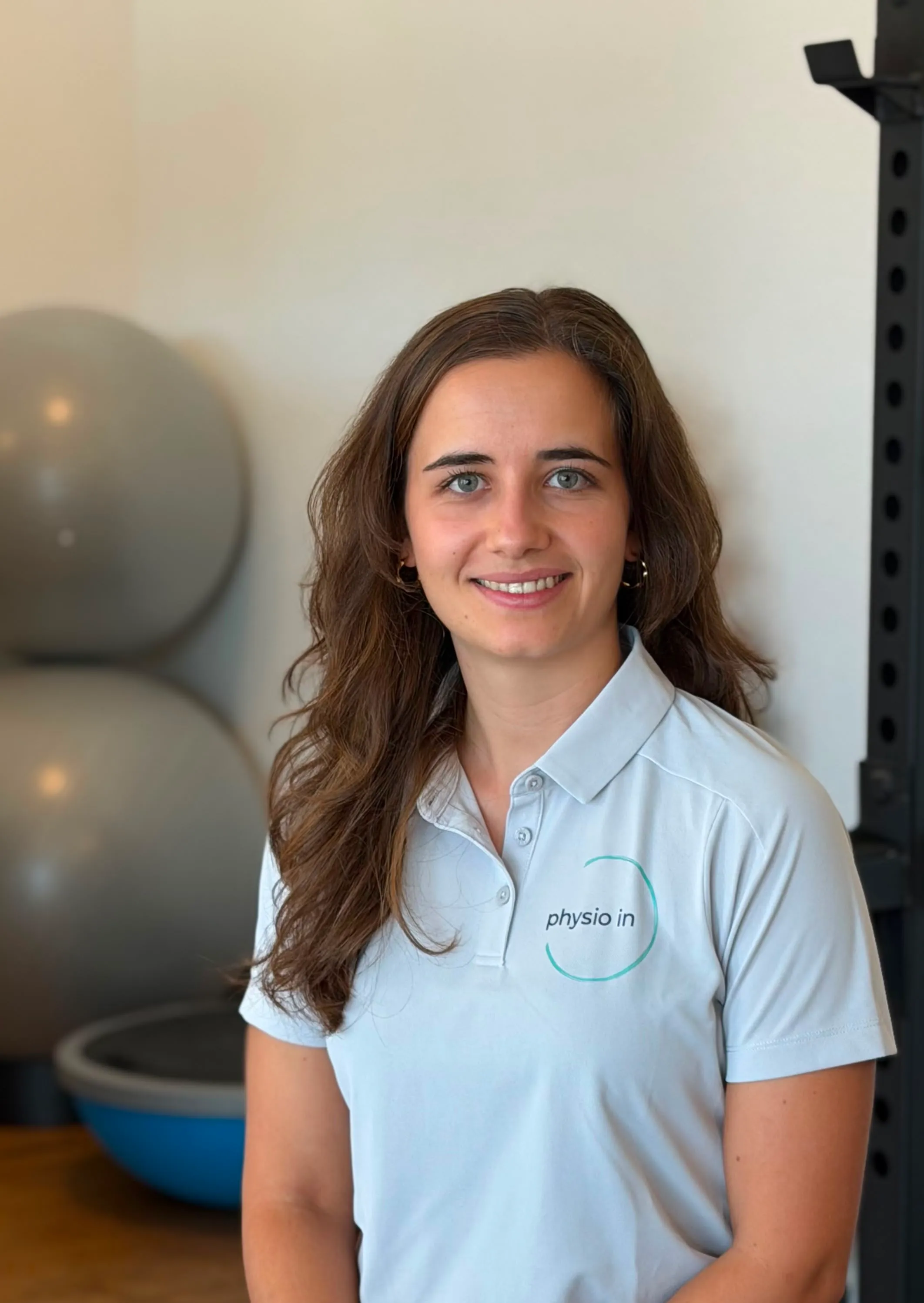
Additional training: Dry needling therapist IMTT (2024-2025)
Treatment in: German, English, French, Italian and Spanish
Pain relief and restoration of mobility for acute and chronic complaints.
Restoring mobility and muscle function in athletes.
Treatment of complaints in the muscles surrounding the jaw joint.
Acupuncture follows an energetic principle of traditional Chinese medicine (TCM), whereas dry needling is based on anatomical and functional trigger points in the muscles.
That depends on your symptoms. As a rule, 3–5 sessions are enough, with breaks in between if necessary.
Needling can cause a brief, dull pulling pain or a twitch. Many people find this liberating – most report immediate relaxation.
Serious side effects are rare. In some cases, you may experience a feeling similar to sore muscles or small bruises. You will be informed about this before a dry needling treatment.
If dry needling is part of a physiotherapy treatment and you have a prescription, the physiotherapy session is covered by your health insurer. The dry needling material cannot be billed to basic insurance or accident insurance. The material is invoiced to you privately in accordance with our price list.
To a certain extent, yes – for example with foam rollers or manual self-massage. For safety reasons, however, targeted needling should only be performed by professionals.
The treatment itself usually takes only a few minutes. It is part of a comprehensive physiotherapy session lasting about 25 minutes.
Yes, including acute infections, blood clotting disorders, taking blood-thinning medication, existing implants or pregnancy. We clarify these points individually when taking your case history.
Whether it’s an initial consultation, treatment or advice, contact us in writing or by phone. We will get back to you promptly with suggested appointment times.
May we use Google Analytics (via Google Tag Manager) to measure how our website is used? In doing so, data may be transferred to Google in the USA. More in our privacy policy.